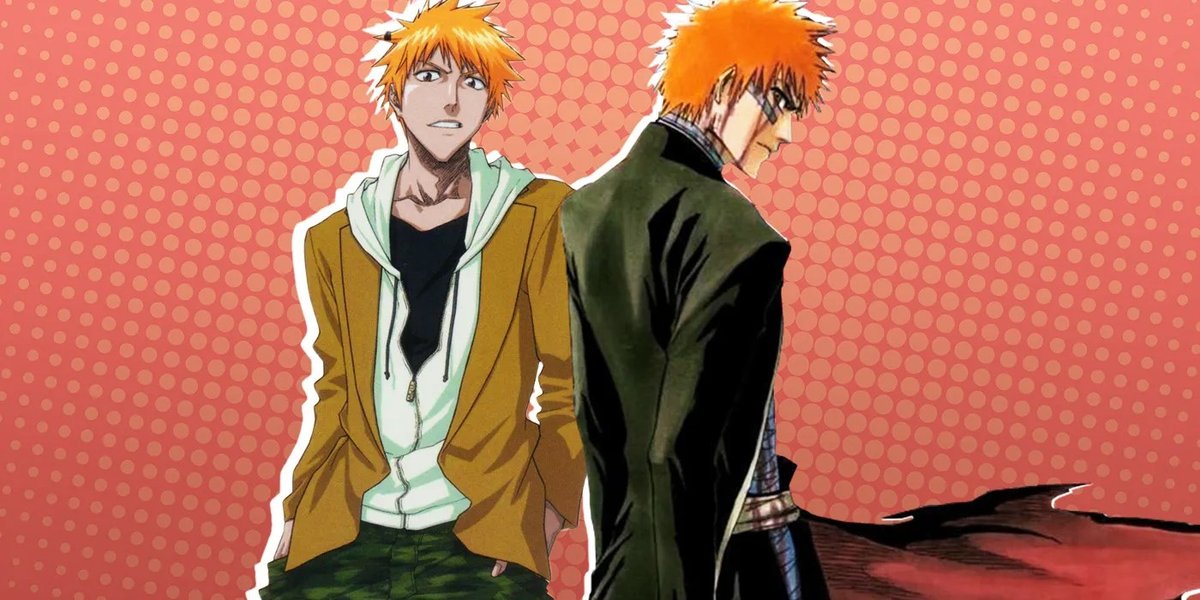
It's a question that sparks curiosity among fans of two wildly popular anime and manga franchises: "What if Ichigo Kurosaki, the formidable protagonist of Bleach, somehow found himself in the chilling world of The Promised Neverland?" It's a fun thought experiment, a testament to the vivid imaginations of fans connecting beloved characters across universes. However, to set the record straight right from the start, we must confirm the undeniable truth: Ichigo Kurosaki does not appear in The Promised Neverland canon.
These two acclaimed series exist in entirely separate universes, created by different authors with distinct narratives, settings, and character sets. While the allure of a powerful hero like Ichigo entering a perilous world like Grace Field House is compelling, their paths simply do not cross within their official stories.
The Elephant in the Room: No Crossover, No Canon
The notion of Ichigo Kurosaki stepping into The Promised Neverland is purely a product of fan speculation, "what-if" scenarios, and crossover fan fiction. There has never been an official collaboration, special chapter, or animated episode that integrates these two distinct worlds. Bleach, created by Tite Kubo, is a saga of Soul Reapers, Hollows, and spiritual warfare, while The Promised Neverland, by Kaiu Shirai and Posuka Demizu, is a masterful psychological thriller about intelligent children escaping a sinister farm run by demons.
Fans often enjoy imagining how their favorite characters would fare in different settings, especially when facing extreme odds. It's easy to see why someone might envision Ichigo's raw power and protective instincts as a game-changer in Emma and Norman's desperate struggle. For a deeper dive into Ichigo's origins and what makes him such a compelling hero, you might be interested in delving into Ichigo Kurosaki's incredible abilities and powers from his own universe. Before we dissect why these worlds remain separate, it's essential to understand the intricate fabric of The Promised Neverland itself, by diving deep into The Promised Neverland's rich lore and mythology.
Two Worlds, Different Rules: Why Ichigo Wouldn't Fit
The fundamental structures and rules governing the Bleach and The Promised Neverland universes are vastly different, making any canonical crossover virtually impossible without completely rewriting the core tenets of one or both stories.
The Bleach Universe: Souls, Hollows, and Spiritual Energy
Ichigo Kurosaki's world is teeming with spiritual entities, where humans can develop spiritual powers, and the afterlife is managed by Soul Reapers who guide souls and purify Hollows. Combat often involves colossal battles, energy blasts, and sword fighting on a grand scale, with the very fabric of existence often at stake. Ichigo himself is a hybrid of several powerful spiritual races, making him uniquely equipped to confront threats that transcend mortal understanding.
The Promised Neverland: Demons, Strategy, and Survival
In stark contrast, The Promised Neverland unfolds in a world where a centuries-old agreement divided humanity and demons. The demon world, where the story primarily takes place, features a sophisticated system of human breeding farms designed to supply highly intelligent children as food for demons, who require human consumption to maintain their intellect. The children's struggle is one of wits, strategy, deception, and escape, not direct combat with overwhelming force. Their primary antagonists are their "Moms" and "Sisters," who are human caretakers, and the demons themselves, who are often physically imposing but can be outsmarted.
The story of Emma, Norman, and Ray is about their collective intelligence, resourcefulness, and unwavering hope. They rely on detailed planning, code-breaking, and psychological manipulation rather than brute strength or spiritual attacks. Introducing a character with Ichigo's power level would fundamentally alter the tension and stakes of The Promised Neverland, potentially trivializing the immense challenges faced by the orphans. Instead of pondering alternate heroes, it's fascinating to get to know the true main characters of The Promised Neverland and appreciate their unique contributions. To truly grasp the stakes, explore the full scope of The Promised Neverland's story arcs and major events where every decision is life or death. The very foundation of this harrowing world is built upon a dark agreement; to fully understand how it all works, you should fully understand 'The Promise' and its implications within The Promised Neverland.
The Appeal of a Crossover: What If?
Despite the clear distinctions, the idea of a crossover holds a certain appeal. Both series feature protagonists driven by a fierce desire to protect their loved ones and fight against seemingly insurmountable odds. Ichigo’s relentless courage and refusal to give up resonate with Emma’s unwavering optimism and determination to save all the children. Fans might imagine Ichigo as a powerful guardian, a force that could smash through walls and defeat demons, offering a quicker, more direct path to freedom.
However, the beauty of The Promised Neverland lies precisely in its constraints. The children's vulnerability, combined with their incredible intellect, is what makes their journey so gripping. If a Soul Reaper suddenly appeared, the narrative tension rooted in their powerlessness against a cruel system would dissipate. The difficult choices and sacrifices they face—such as those explored when you learn about the characters who faced difficult fates within The Promised Neverland's narrative—would lose their emotional weight.
Exploring The Promised Neverland on Its Own Terms
The Promised Neverland stands as a testament to intelligent storytelling, earning widespread critical acclaim for its unique blend of psychological horror, adventure, and philosophical depth. The strength of its narrative comes from its core trio: the empathetic Emma, the strategic Norman, and the logical Ray. Their combined intellect and distinct personalities are what drive the escape and subsequent quest for freedom, making every victory hard-won and every setback devastating.
The series explores profound themes of freedom, family, and the price of survival through the eyes of children who are forced to mature far too quickly. It's a saga that doesn't need external heroes because its existing characters are more than capable of carrying the weight of the story. For those who want to see how their incredible journey concludes, you can get a complete breakdown of The Promised Neverland's ending. It's also worth noting the variations in its presentation; you might be curious to see how The Promised Neverland manga and anime adaptations diverge or discover every Promised Neverland spin-off and adaptation available to truly appreciate the breadth of the franchise.
Beyond the Crossover: Embracing Unique Narratives
Ultimately, while imagining crossovers is a delightful pastime, it's important to appreciate each story for its own distinct brilliance. Bleach provides epic battles and spiritual adventures, while The Promised Neverland offers a masterful tale of suspense, strategy, and the indomitable human spirit against overwhelming odds. Both are classics in their own right, and their individual strengths shine brightest when viewed within their original contexts. By understanding why Ichigo Kurosaki has no place in The Promised Neverland, we can more fully appreciate the unique challenges and triumphs of Emma, Norman, Ray, and their family. Dive into these incredible worlds, and experience the magic that makes them unforgettable, exactly as their creators intended.